
GetNotes Tools
Claude Code
Tool นี้คืออะไร
Agentic coding tool จาก Anthropic สำหรับ terminal และ IDE ช่วยทำงานกับ codebase อธิบายโค้ด แก้ไฟล์ และจัดการ Git workflow
ข้อมูลโปรเจกต์
ดาว
138.1K
Forks
22.3K
License
ไม่ระบุ
อัปเดต GitHub ล่าสุด
15 ก.ค. 2569
เพิ่มใน GetNotes
16 ก.ค. 2569
Repository
anthropics/claude-code
รูปแบบ
เหมาะกับงาน
เหมาะกับอาชีพ
Ecosystem
Python
เอกสารโปรเจกต์
อ่านเอกสารต้นฉบับ
README วิธีติดตั้ง วิธีใช้งาน และข้อกำหนดจาก repository ต้นฉบับ
Claude Code


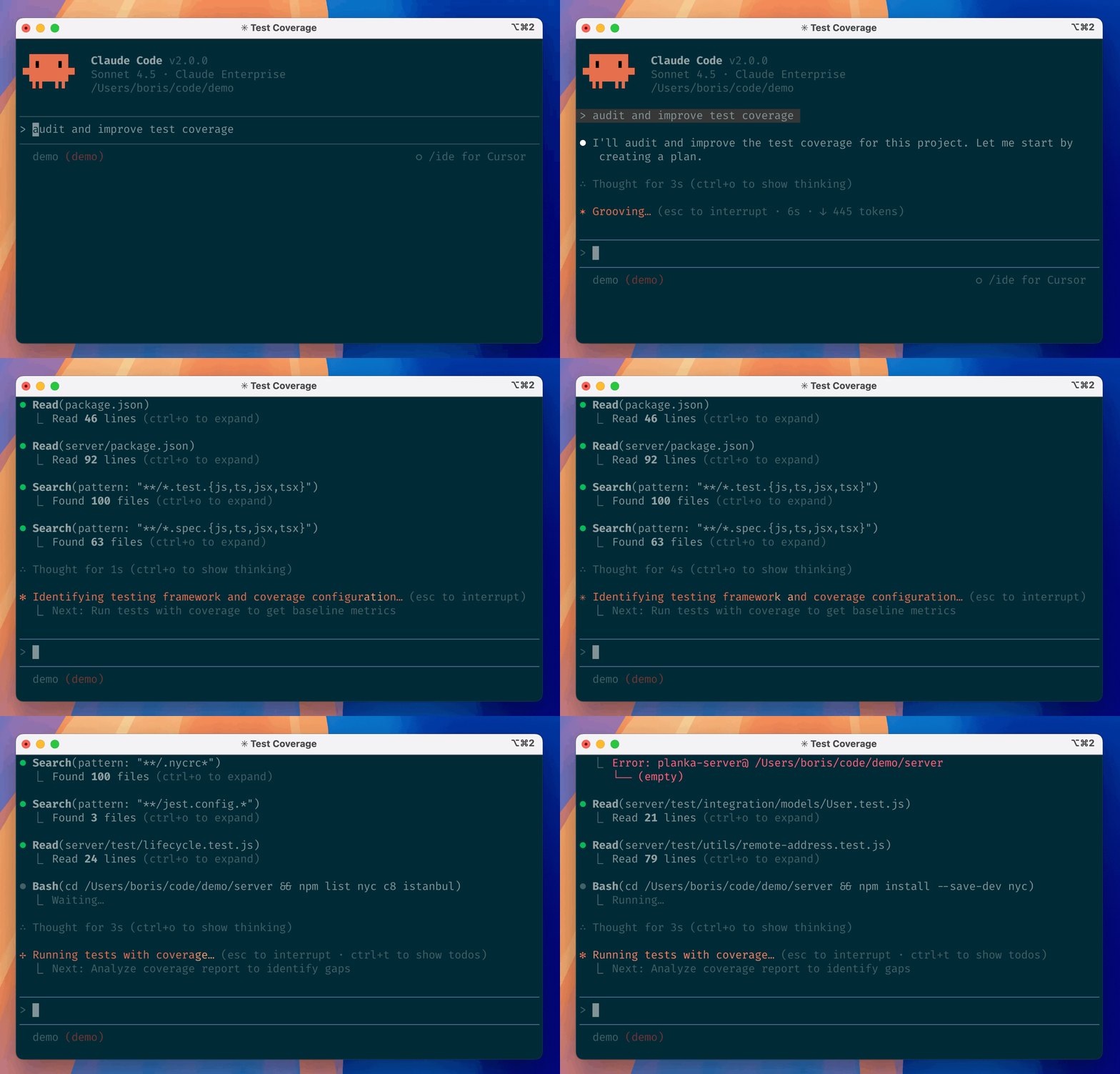
Claude Code is an agentic coding tool that lives in your terminal, understands your codebase, and helps you code faster by executing routine tasks, explaining complex code, and handling git workflows -- all through natural language commands. Use it in your terminal, IDE, or tag @claude on Github.
Learn more in the official documentation.
Get started
Installation via npm is deprecated. Use one of the recommended methods below.
For more installation options, uninstall steps, and troubleshooting, see the setup documentation.
- 1Install Claude Code: **MacOS/Linux (Recommended):**curl -fsSL https://claude.ai/install.sh | bash **Homebrew (MacOS/Linux):**brew install --cask claude-code **Windows (Recommended):**irm https://claude.ai/install.ps1 | iex **WinGet (Windows):**winget install Anthropic.ClaudeCode **NPM (Deprecated):**npm install -g @anthropic-ai/claude-code
- 2Navigate to your project directory and run `claude`.
Plugins
This repository includes several Claude Code plugins that extend functionality with custom commands and agents. See the plugins directory for detailed documentation on available plugins.
Reporting Bugs
We welcome your feedback. Use the /bug command to report issues directly within Claude Code, or file a GitHub issue.
Connect on Discord
Join the Claude Developers Discord to connect with other developers using Claude Code. Get help, share feedback, and discuss your projects with the community.
Data collection, usage, and retention
When you use Claude Code, we collect feedback, which includes usage data (such as code acceptance or rejections), associated conversation data, and user feedback submitted via the /bug command.
How we use your data
See our data usage policies.
Privacy safeguards
We have implemented several safeguards to protect your data, including limited retention periods for sensitive information, restricted access to user session data, and clear policies against using feedback for model training.
For full details, please review our Commercial Terms of Service and Privacy Policy.